
Ultimate Guide To Foundation Repair Products And Supplies
Learn about essential products and considerations to choose the right solutions for your foundation needs.
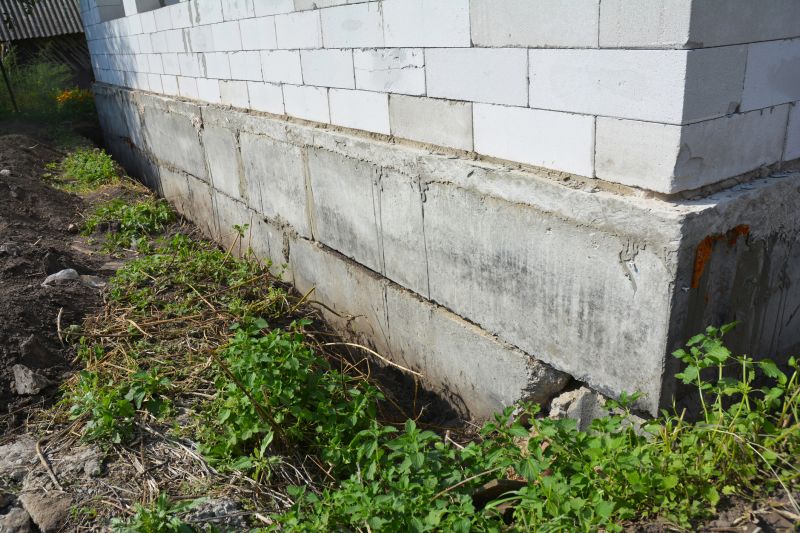 Foundation repairs are essential for maintaining the structural integrity and safety of a building. When signs of foundation issues appear, such as cracks in walls, uneven flooring, or sticking doors and windows, addressing these concerns promptly can prevent further damage. The market offers a variety of products designed to stabilize and repair foundations, each suited for different types of issues and building structures. From DIY solutions to professional-grade systems, understanding the options available can help homeowners and contractors make informed decisions. Proper selection and application of foundation repair products can contribute to long-term stability and peace of mind.
Top Overall Option
Polyurethane Foam Injection System
Polyurethane foam injection systems are versatile and widely used for foundation stabilization and crack filling. They are suitable for lifting settled slabs, sealing cracks, and providing a quick, minimally invasive repair option. The foam expands upon application, filling voids and exerting upward pressure to stabilize the foundation. These systems are appreciated for their ease of use, quick curing times, and ability to conform to irregular spaces. They are often chosen for small to medium repairs and can be an effective solution when applied correctly by professionals or experienced DIYers.
Types of Products For Foundation Repairs
Push Piers
Push piers are steel supports driven into stable soil beneath the foundation to provide permanent support and lift. They are suitable for deep foundation issues and are installed using hydraulic jacks. Push piers are often used in cases of significant settlement and can restore the foundation to its original level.
Helical Piers
Helical piers feature screw-like shafts that are rotated into the ground, providing stable support for foundations. They are ideal for areas with challenging soil conditions and can be installed with minimal disturbance.
Mudjacking / Slab Jacking
This method involves injecting a slurry mixture beneath a concrete slab to lift and level it. It is commonly used for sidewalks, driveways, and garage floors experiencing settlement.
Polyurethane Foam Injection
A flexible, quick-curing solution that fills voids and lifts slabs using expanding foam. Suitable for minor cracks and settling issues.
Carbon Fiber Reinforcement
Carbon fiber strips are applied to walls to reinforce and prevent further cracking. This method is often used for crack stabilization.
Anchor Bolts
Anchors are used to stabilize bowing basement walls by attaching them to the foundation and pulling the wall back into place.
Grout and Sealants
Specialized grouts and sealants fill cracks and prevent water intrusion, helping to maintain foundation integrity.
Underpinning Systems
Underpinning involves extending the foundation depth to reach more stable soil, often using various support systems.
Drainage Solutions
Proper drainage products help divert water away from the foundation, reducing soil erosion and settlement risks.
Soil Stabilization Products
Chemical or mechanical methods to improve soil stability around the foundation, mitigating settlement issues.
Vapor Barriers
Installed beneath slabs to prevent moisture infiltration that can weaken soil and foundation support.
Foundation Repair Kits
DIY kits that include various tools and materials for minor repairs, suitable for homeowners comfortable with basic construction tasks.
Steel Support Beams
Support beams installed under the slab or within the structure to provide additional reinforcement and support.
Crack Repair Epoxies
Epoxy resins used to fill and seal cracks in walls and slabs, restoring strength and preventing water ingress.
Soil Replacement Materials
Materials used to replace or augment existing soil around the foundation to improve stability.
Vibration and Soil Compaction Equipment
Tools used during repair to compact soil and reduce future settlement risk.
Popular Choices
A widely used method for lifting and filling cracks, appreciated for its quick application and adaptability.
Commonly chosen for deep foundation stabilization, providing long-term support.
Preferred for challenging soil conditions and minimal disturbance during installation.
Popular for leveling concrete slabs with minimal excavation.
Effective for stabilizing bowing or cracked basement walls.
Consistently recommended to prevent water-related foundation issues.
Commonly used to seal minor cracks and prevent water intrusion.
Frequently installed to reinforce weak structural elements.
Popular among DIY enthusiasts for minor repairs.
Widely used for restoring cracked walls and slabs.
Increasingly chosen to improve soil conditions around foundations.
Commonly installed in basements to control moisture levels.
Selected for addressing significant settlement issues.
Used to support sagging or uneven floors.
Applied to basement walls to prevent water ingress.
Popular for quick, non-invasive slab leveling.
Chosen to stabilize bowing or shifting walls.
Utilized during soil compaction and stabilization processes.
In Richardson, TX, where soil conditions and weather patterns may influence foundation health, choosing the right repair products is particularly important. Local contractors often recommend specific solutions suited to regional conditions, but homeowners can also explore a range of products for minor to moderate issues. It is crucial to evaluate the severity of the problem, the type of foundation, and the specific repair needs before selecting any product. Consulting with a foundation specialist can provide valuable insights, but having a good understanding of available options allows for better communication and planning.
Foundation repair products are designed to address different causes of issues, such as soil settlement, erosion, or shifting. Many solutions focus on lifting and stabilizing the foundation, filling cracks, or reinforcing weak spots. Proper installation is key to ensuring the effectiveness of these products, and in some cases, professional assistance may be necessary. Regular inspections and maintenance can also prolong the lifespan of repairs and help detect potential problems early. Whether for a residential property or a commercial building, choosing the right foundation repair products is a vital step toward preserving the structure's safety and value.
Key Buying Considerations
- Assess the severity and type of foundation issue before selecting a product.
- Determine whether a DIY solution or professional installation is appropriate for your situation.
- Consider the soil conditions and climate in Richardson, TX, which can influence repair choices.
- Review the compatibility of the product with your foundation type (slab, crawl space, basement).
- Check the product's capacity to support the extent of settlement or cracking present.
- Evaluate the ease of installation and whether specialized tools or skills are required.
- Look for products with proven durability and long-term performance in similar conditions.
- Consider the potential impact on landscaping, driveways, or existing structures during installation.
- Review warranty or guarantee options offered by manufacturers or contractors.
- Factor in the cost relative to the scope of repair needed, balancing quality and budget.
- Ensure the product can address water intrusion or drainage issues that may contribute to foundation problems.
- Investigate local building codes and regulations to ensure compliance with repair methods.
- Seek recommendations from local contractors familiar with regional soil and foundation challenges.
- Evaluate customer reviews and feedback for insights into product effectiveness and ease of use.
- Consider future maintenance requirements and the availability of replacement parts or materials.